Understanding Your Scent
A fine fragrance is not merely a scent — it is a composition, a narrative told in three acts. Perfumers, known as noses, spend years honing their craft, studying hundreds of raw materials drawn from the four corners of the earth: the petals of Bulgarian roses, the resinous bark of Cambodian oud trees, the sun-drenched rind of Calabrian bergamot.
At the heart of perfumery lies the concept of the olfactory pyramid — a structured framework that describes how a fragrance evolves over time on the skin. From the bright burst of the opening notes to the warm, lingering embrace of the base, each layer reveals something new, something deeper.
Understanding this language empowers you to choose fragrances with intention, to know what you are experiencing as a scent opens on your skin, and to articulate — finally — why one fragrance speaks to your soul while another does not.
"A perfume is an intimate autobiography. It speaks before you do, and lingers long after you have gone."— Jean-Claude Ellena, Master Perfumer
The opening act of a fragrance — what you smell in the first 15–30 minutes. Light, volatile molecules that evaporate quickly, making an immediate, often fresh impression.
Citrus · Light Florals · Herbs · GreenThe true character of the fragrance emerges as top notes fade. These form the core of the composition and define its personality, lasting several hours on the skin.
Rose · Jasmine · Spices · IrisThe foundation and memory of the fragrance. These deep, rich materials emerge slowly and linger longest, often becoming more personal as they interact with your skin chemistry.
Woods · Musks · Resins · Ambers
The first impression — bright, volatile, and immediate. Top notes are what you smell within seconds of application, setting the tone for the fragrance journey ahead.
The crown jewel of citrus notes. Bergamot offers a luminous, slightly floral citrus with a mild tea-like undertone. Grown exclusively in Calabria, Italy.
See FragrancesCrisp, clean, and invigorating. Lemon adds bright zest and an immediate sense of freshness, lifting the entire opening of a composition.
See FragrancesA modern, sophisticated citrus with a slightly bitter edge. Grapefruit adds character and contrast to fresh, aquatic, and woody compositions.
See FragrancesDistilled from bitter orange blossoms, neroli bridges citrus and floral. Honeyed, slightly powdery, and deeply aromatic — a cornerstone of classic perfumery.
See FragrancesDerived from the leaves and twigs of the bitter orange tree. Woody, green, and slightly aromatic — adding depth and longevity to citrus openings.
See FragrancesThe quintessential aromatic herb. French lavender offers clean, floral, and slightly camphoraceous qualities that ease the transition into heart notes beautifully.
See FragrancesElectrifyingly cool and aromatic, mint offers an immediate sense of clarity and freshness. Used with restraint, it adds a surprising, modern edge to compositions.
See FragrancesThe beating heart of any fragrance — the notes that define its true character and personality, emerging as the top notes gently fade and lasting for several hours.
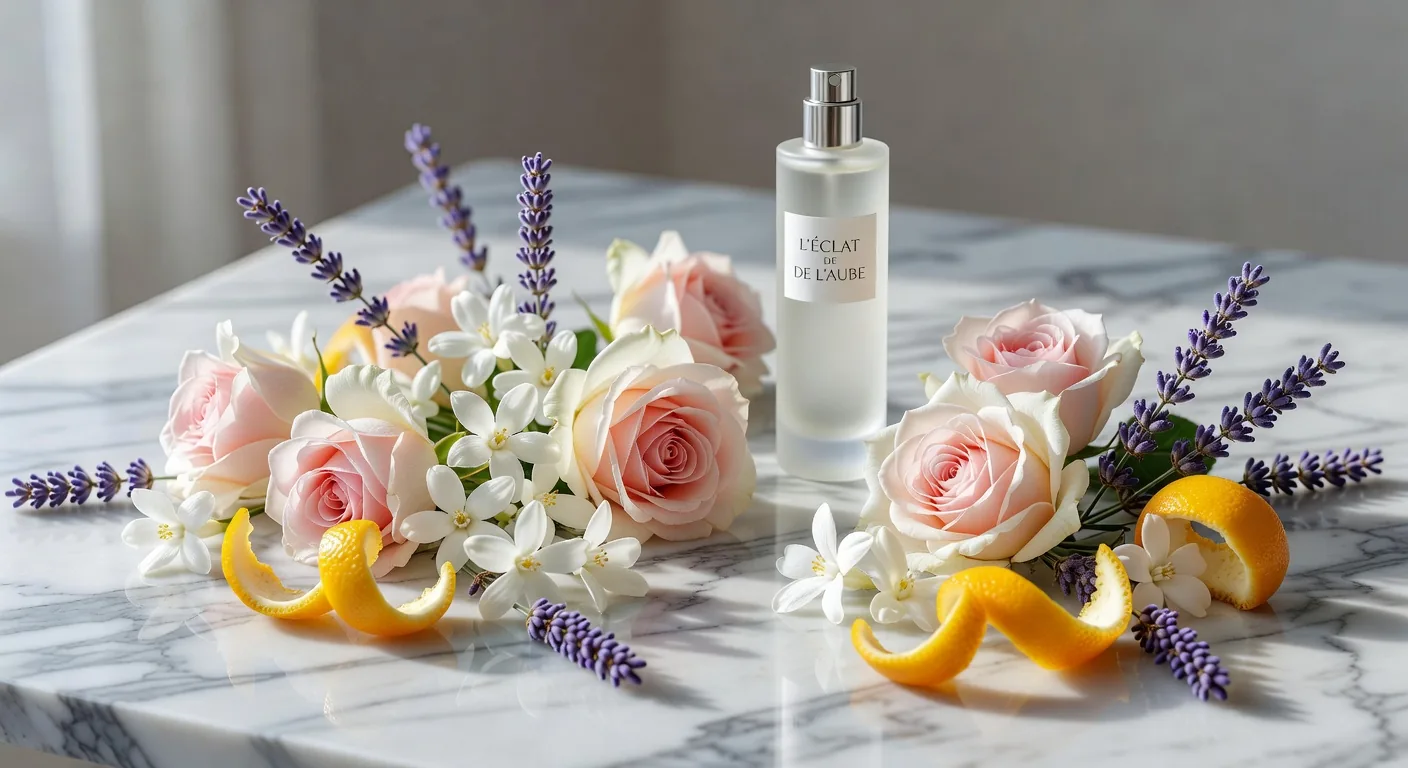
The queen of flowers. The finest roses — Bulgarian, Turkish, Taif — each express a different facet: velvety, honeyed, spiced, or luminously fresh.
See FragrancesIntoxicating and sensuous, jasmine's indolic richness gives depth and animalic warmth. Sambac and Grandiflorum varieties offer distinct personalities.
See FragrancesPowdery, violet-like, and deeply sophisticated. True iris (orris) is one of the most precious and labour-intensive materials in fine perfumery.
See FragrancesIntensely floral and slightly rubbery, ylang-ylang adds exotic, tropical character. Expertly balanced, it becomes deeply sensuous and memorable.
See FragrancesA green, rosy, and slightly minty note that bridges floral and herbal. Bourbon geranium is prized for its complexity and tenacity on skin.
See FragrancesLush, creamy, and powerfully sensuous. Tuberose is one of perfumery's most dramatic materials — simultaneously innocent and deeply carnal.
See FragrancesFresh, clean, and delicately rosy. Peony adds a modern, airy quality to floral compositions, lending lightness without sacrificing elegance.
See FragrancesSpiced and clove-like with a rosy undertone. Carnation (œillet) has a distinguished history in classic French perfumery, adding warmth and complexity.
See FragrancesThe foundation of any great fragrance. These deep, rich materials unfold slowly and linger longest — often for 4 to 8+ hours — creating the lasting sillage and the scent that clings to your skin at day's end.
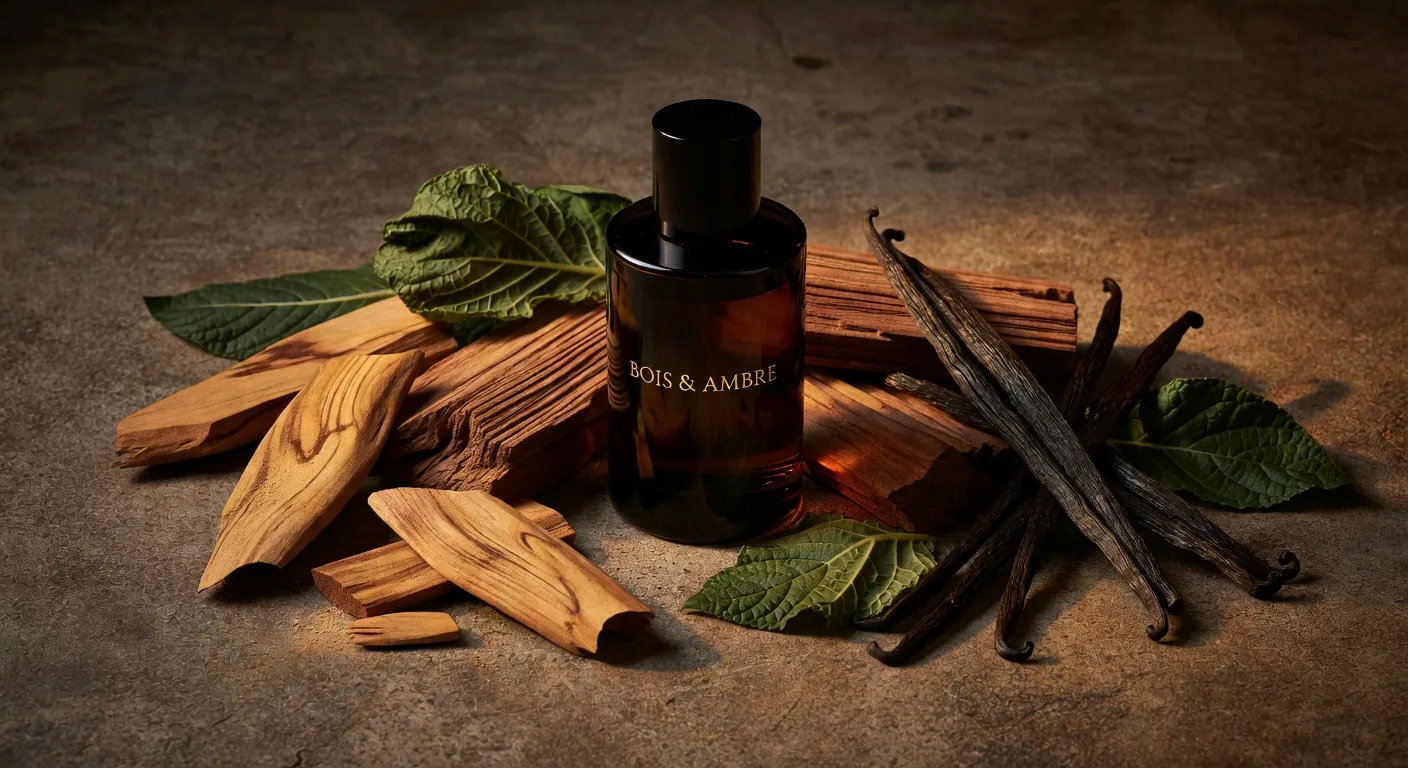
The most prized material in perfumery. Agarwood resin from infected Aquilaria trees offers extraordinary depth, complexity, and a smoky, balsamic richness.
See FragrancesCreamy, warm, and milky smooth. Mysore sandalwood from India is considered the finest, offering a meditative, enduring warmth that wears beautifully on all skin types.
See FragrancesEarthy, smoky, and deeply rooted. Haitian and Bourbon Island vetiver are prized for their complex, layered quality — simultaneously grounding and sophisticated.
See FragrancesDry, clean, and pencil-shaving woody. Cedarwood from Atlas, Virginia, and Texas each express distinct characters — adding structure and longevity to compositions.
See FragrancesA warm, resinous accord — most commonly a blend of labdanum, benzoin, and vanilla — that creates a sensuous, powdery warmth in the dry-down.
See FragrancesThe invisible thread that holds a fragrance together. Modern musks range from soft and skin-like to dark and animalic, providing warmth, sensuality, and longevity.
See FragrancesComforting, sweet, and creamy. Madagascar vanilla adds a universal warmth and sweetness — making fragrances approachable, soft, and deeply pleasurable to wear.
See FragrancesDark, earthy, and intoxicating. Quality aged patchouli loses its raw earthiness and develops a rich chocolaty, balsamic depth beloved in oriental and chypre accords.
See FragrancesHarvested from the Cistus shrub of the Mediterranean, labdanum offers rich, animalic, and ambery qualities. The backbone of classic chypre and oriental compositions.
See FragrancesSacred and ancient. Boswellia resin from Oman and Somalia produces a luminous, slightly lemony, smoky incense that adds spiritual depth and meditative quality.
See FragrancesEvery perfume belongs to a family — a broad olfactory category that describes its dominant character and overall personality.
The most extensive fragrance family. Floral fragrances celebrate the beauty of flowers — from single-note soliflores to rich bouquets. Romantic, feminine, and timeless.
Lumera Rose Absolue · Bouquet de PrintempsWarm, sensuous, and deeply complex. Oriental fragrances feature exotic spices, precious resins, and musks — evoking the ancient trade routes of the East.
Nuit de Bagdad · Ambra SacraGrounded and sophisticated. Woody fragrances feature sandalwood, cedar, vetiver, and oud — creating warm, structured compositions that wear equally on all.
Cèdre Noir · Forêt SilenceLight, clean, and invigorating. Fresh fragrances evoke the energy of citrus groves, sea breeze, and cool green nature — effortlessly modern and wearable daily.
Mer de Lumière · Zeste SolaireOne of perfumery's most distinguished families. The classic accord of bergamot, labdanum, and oakmoss creates fragrances of extraordinary elegance and longevity.
Chypre Classique · Mousse VerteThe architectural family of perfumery. Built on the accord of lavender, coumarin, and oakmoss — originally abstract, now the backbone of modern masculine fragrance.
Fougère Royale · Lavande ÉternelleThe most contemporary family. Inspired by edible pleasures — vanilla, caramel, chocolate, and spices — gourmand fragrances are warm, comforting, and deeply personal.
Vanille Suprême · Caramel DoréThe concentration of fragrance oil in a composition determines its intensity, longevity, and how it projects from the skin. Higher concentration does not always mean better — it means different.
The way you apply a fragrance is as important as the fragrance itself. These principles, observed by the world's most discerning connoisseurs, ensure every scent reaches its full potential.
Apply to wrists, neck, behind ears, inner elbows, and behind knees. Warmth from veins close to the skin's surface amplifies and projects the fragrance beautifully.
Resist the impulse to rub your wrists together after application. This crushes the delicate top notes and alters the intended structure of the composition.
Use the matching scented body lotion or shower gel from the same collection. Layering the same scent multiplies its depth and extends its longevity significantly.
Keep fragrances away from sunlight, heat, and humidity. A cool, dark drawer or the original box is ideal. Avoid bathroom storage — the steam and temperature changes degrade the juice.
A great fragrance should be discovered, not announced. Two or three sprays of a quality EDP are sufficient. The person next to you should smell it only when close.
Different seasons call for different olfactory experiences. Temperature and humidity profoundly affect how a fragrance performs and projects on your skin.
Every extraordinary fragrance begins with a single discovery.